
-
GENESIS
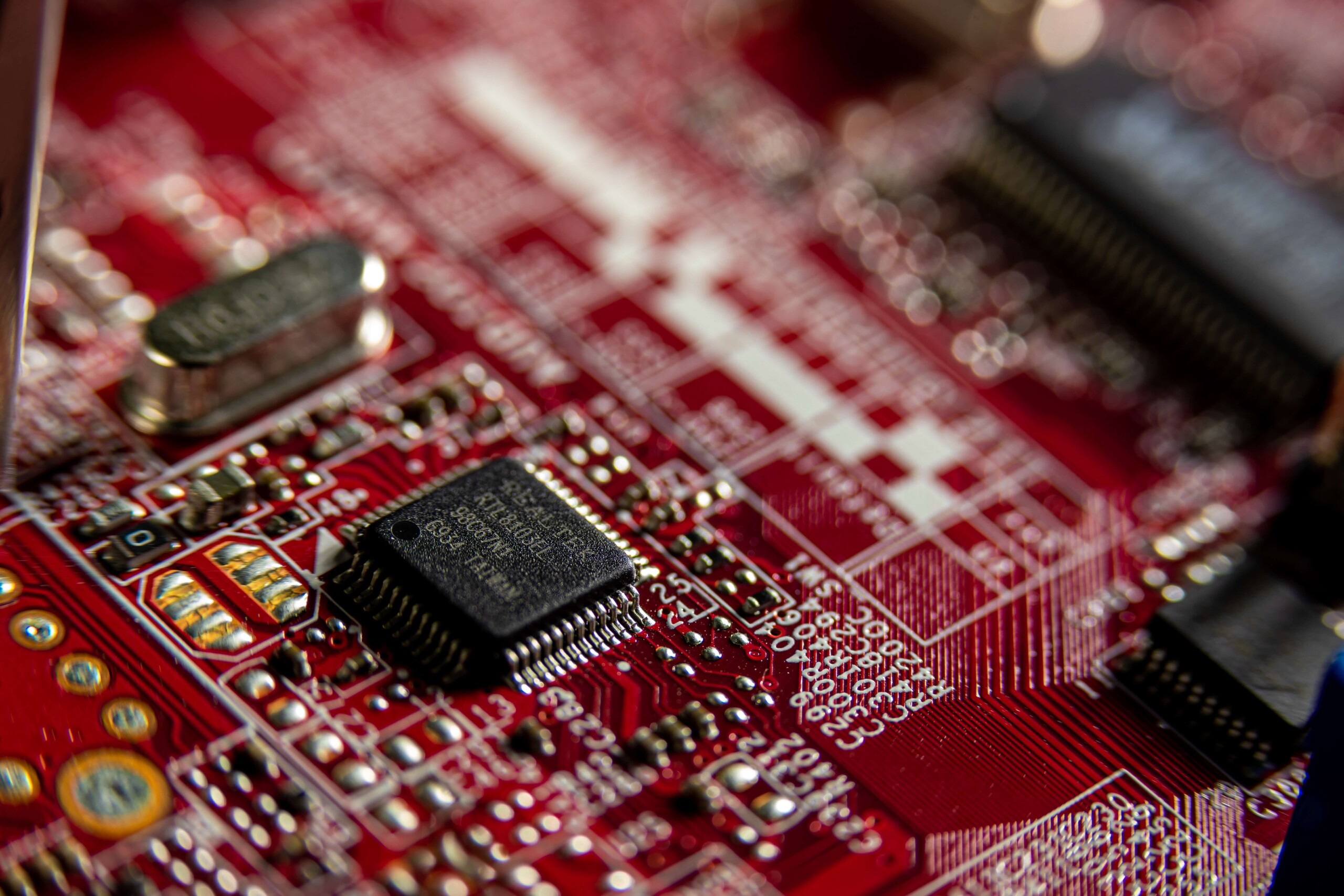
The GENESIS project is a three-year initiative (May 2025–April 2028) under the Horizon Europe framework, coordinated by CEA‑Leti in France. Project’s goal is to make semiconductor manufacturing in Europe far more sustainable by: Replacing harmful materials (e.g., PFAS-based chemistries) with safer alternatives. Enhancing waste and emission monitoring and treatment (including gases and chemicals) across the chip-making lifecycle. Improving resource efficiency and recycling of critical raw materials (CRMs) used in semiconductors.
-
quantiAGREMI
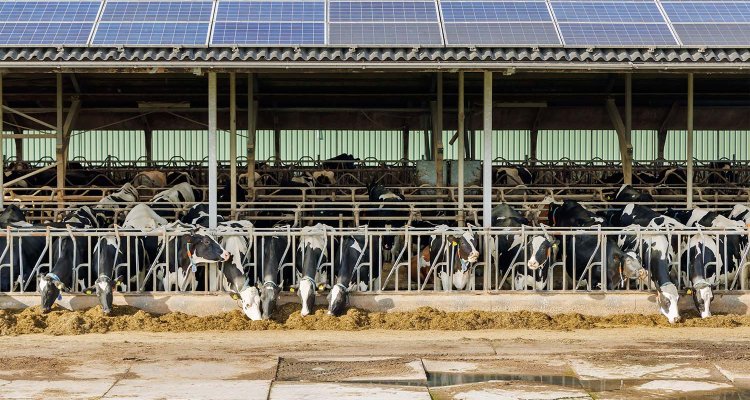
QuantiAGREMI aims to develop an SI-traceable field measurement infrastructure for the accurate quantification of emissions (especially ammonia, NH₃, and greenhouse gases) from livestock production (animal housing). Its objective is to enable policy-makers and industry actors to assess and implement mitigation measures for livestock-related emissions, reduce uncertainties in emission inventories, and hence support sustainable agriculture.
-
EPHES
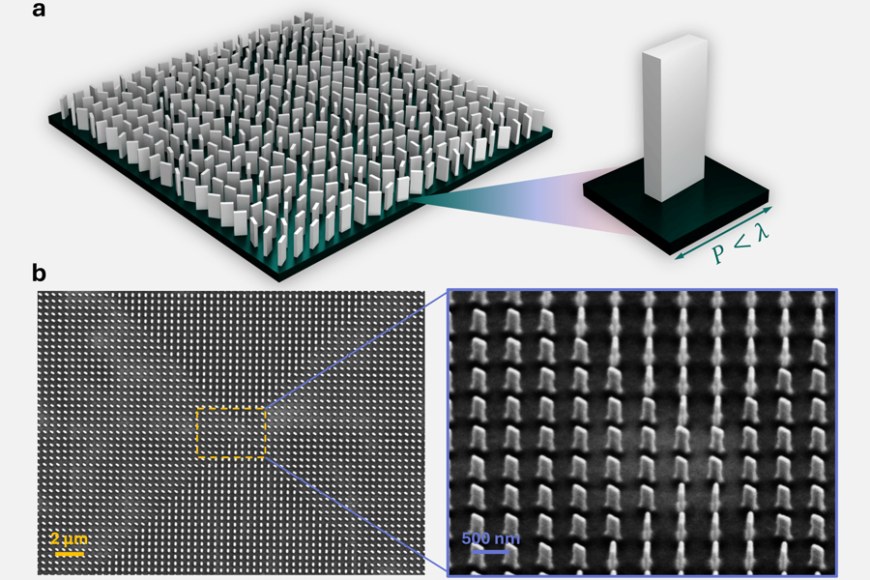
The Efficient Photonics for Sustainable Imaging and Sensing (EPheS) project develops next-generation photonic solutions that enable compact, energy-efficient, and environmentally sustainable imaging and sensing systems. By combining advanced meta-optics, MEMS-based tunable filters, and innovative material technologies, EPheS aims to create high-performance spectral imaging and gas-sensing devices that use fewer resources, reduce environmental impact, and open new possibilities in industrial, environmental, and safety applications.
-

PhotonMed
PhotonMed project, a European initiative aimed at accelerating the development and commercialisation of photonics-based medical devices for diagnostics, monitoring, and therapeutic applications. The project, running from September 2024 to August 2027 with a budget of approximately €32 million, brings together 39 partners across nine countries.
-
GIANT
The GIANT project (Global Trends in IAQ: Novel technologies, Competence and Business) is a Finnish co-innovation initiative focused on improving indoor air quality (IAQ) by studying ultrafine particles, VOCs, black carbon, and secondary aerosols. Running from 2024 to 2026 with a budget of €5.7 million, the project brings together universities, research institutes, municipalities, and companies to translate WHO guidelines into actionable monitoring and mitigation strategies, while developing novel IAQ technologies and business models.
-

Raven
The RAVEN project targets the development of next‑generation, miniaturised gas sensors built on photonic integrated circuit (PIC) technology, covering both visible–short‑wave infrared (VIS–SWIR) and mid‑infrared (MIR) spectral ranges. These sensors are designed to bridge the gap between advanced photonic sensing technologies and industrial process analytical‑technology (PAT) applications.







Customers using our technology

















Made to measure.
Contact us
Gasera Headquarters
Lemminkäisenkatu 59
20520 Turku, Finland
contact@gasera.fi
Helsinki Office
A. I. Virtasen aukio 1
00560 Helsinki, Finland