The need for rapid and reliable monitoring of air pollutants and hazardous gases is growing and photoacoustic spectroscopy (PAS) provides an efficient technology to meet the demand.
At its core, PAS utilizes the light absorption properties of different molecules to produce pressure fluctuations. These subtle fluctuations -in other words, sound waves- are then captured by a microphone and converted into electrical signals.
The Photoacoustic principle
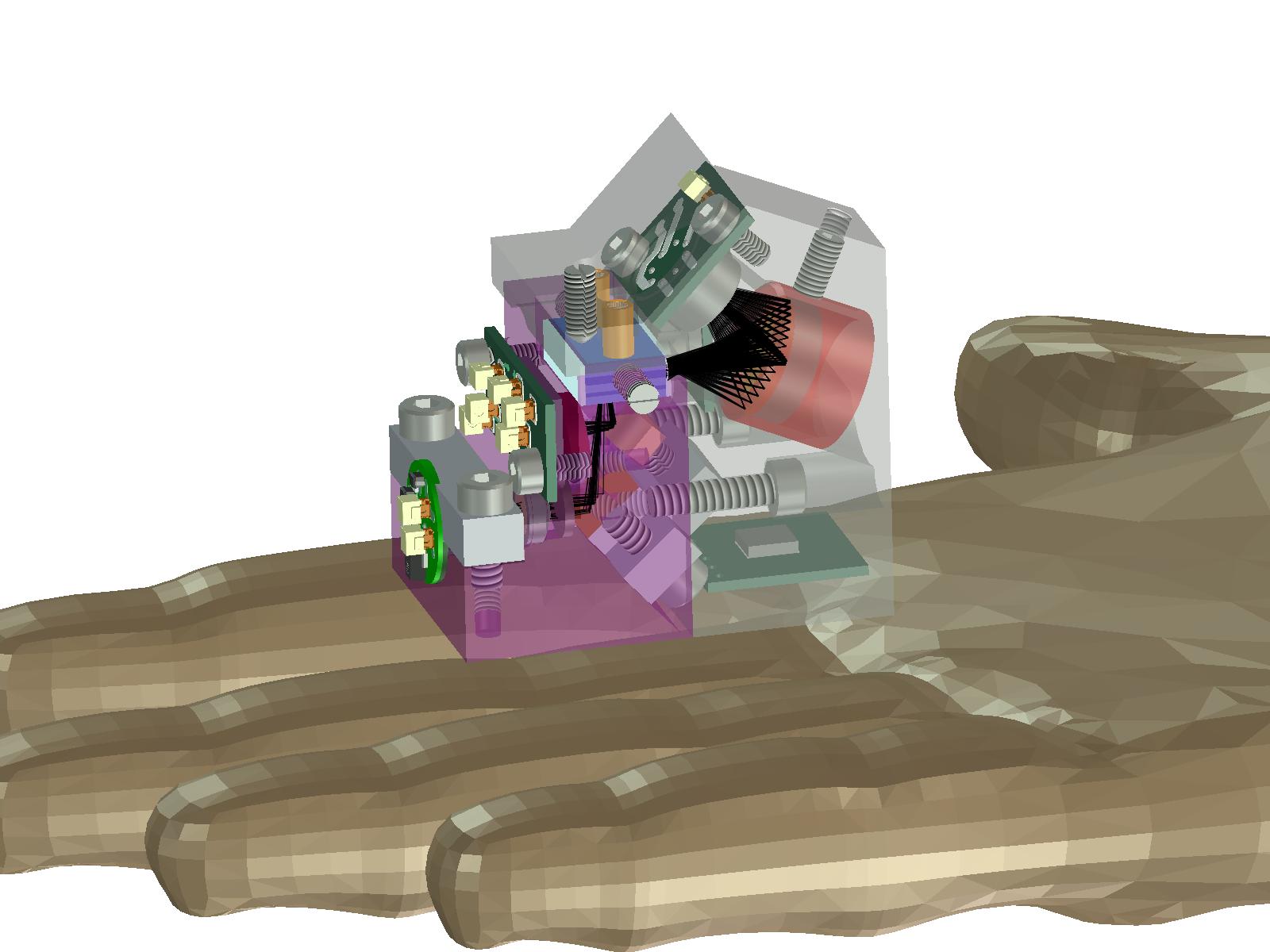
In gas phase PAS, sample gas is sealed inside a measurement chamber and exposed to infrared (IR) light at a frequency that matches the natural resonance of the target gas molecules. When these molecules absorb the IR light, they convert part of that energy into heat, causing a small but measurable increase in temperature and pressure within the gas.
If the infrared light is modulated—turned on and off at a specific frequency—these pressure changes create acoustic waves of the same frequency inside the measurement chamber. A microphone then detects these acoustic signals and converts them into an electrical signal, which can be analyzed to determine the type and concentration of gas present.
Advantages of photoacoustics
Very high sensitivity in gas detection can be achieved with the photoacoustic spectroscopy. Especially utilizing Gasera’s novel optical cantilever microphone, detection limits down to the ppt level can be achieved with a plug and play configuration.
In photoacoustic spectroscopy, the absorption of light is measured directly, rather than relative to a background signal as in conventional infrared absorption methods. This makes it a zero-background technique, providing exceptional zero-point stability and accuracy.
In addition, the optical cantilever microphone used in the system offers highly stable performance, resulting in minimal signal drift over time. As a result, the instrument requires infrequent calibration, making it both reliable and easy to maintain.
A dynamic measurement range of over 100 000 times the detection limit is possible with photoacoustic spectroscopy. This allows for reliable measurements for a great range of concentrations with a single instrument.
A very low sample volume of only a few milliliters is required to achieve similar sensitivity compared to multi-pass gas cells of several meters and several liters in volume in other infrared techniques. This is particularly useful when only a small amount of sample gas is available for analysis.
Due to the short optical path length required the response is highly linear over a wide dynamic range. This is advantageous in compensating for the effect of other gases in the sample gas mixture. This is particularly useful when analyzing gases with high levels of moisture present.